
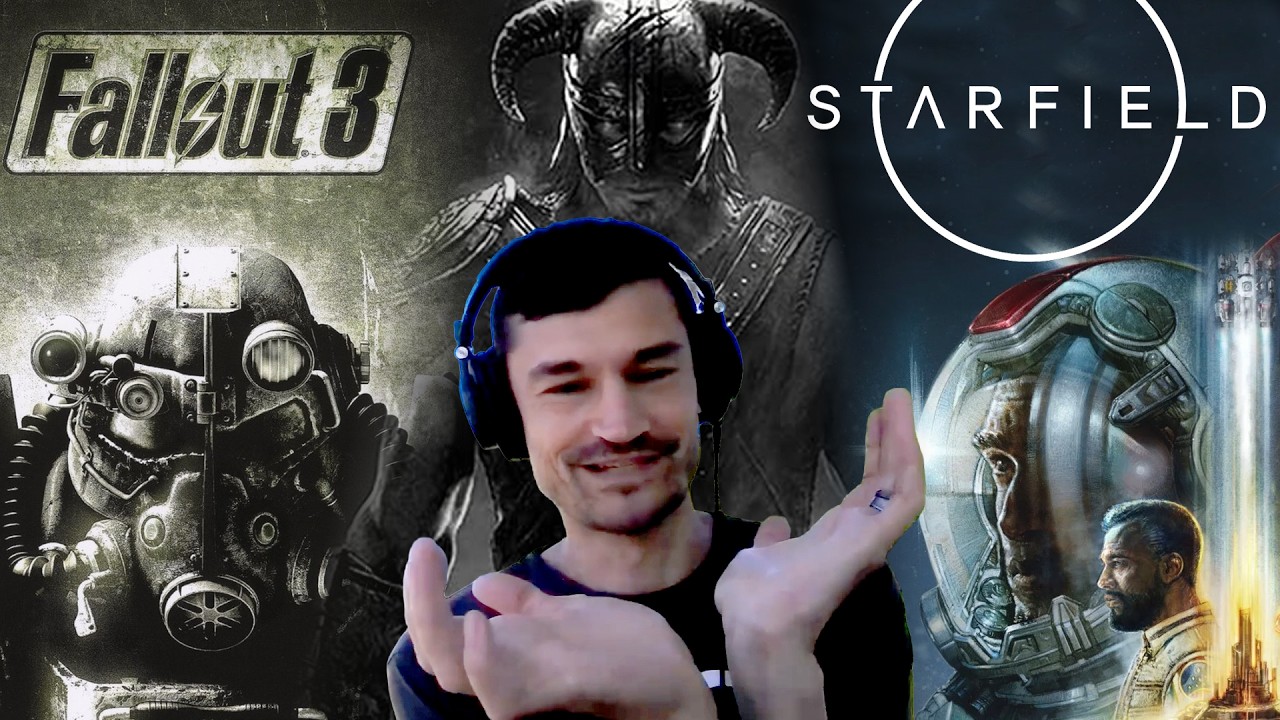
Starfield’s Design Missteps Discussed by Former Bethesda Artist Nate Purkeypile
In a recent podcast episode of The Examined Game, Nate Purkeypile, a former environment artist at Bethesda, shared insights on his tenure at the storied game studio, touching on what he perceived to be a significant design flaw in Starfield. Purkeypile, who played a key role in crafting the layouts for various game environments, including the city of Neon, expressed his discontent with the game’s exploration system which he felt fell short of expectations.
Purkeypile exited Bethesda a year into Starfield’s development and subsequently embarked on creating his first solo project titled The Axis Unseen, which is set to release in 2024. During his time on Starfield, he noticed early on that the game was adopting a disjointed, menu-driven approach to travel that he believed might detract from the player’s experience. He suggested that a more cohesive world design was necessary to balance the vastness of exploration with engaging gameplay.
He criticized the decision to implement thousands of planets, asserting that if strategic value was going to be placed on exploration, each of those planets should feature unique, intricately designed environments rather than areas that felt thrown together. In his view, the procedural generation of content in Starfield lacked the depth and creativity that players desired, drawing parallels to Mass Effect‘s approach where players encountered a limited number of unique worlds versus a larger number of bland, procedurally-generated environments.
Furthermore, Purkeypile underscored the importance of points of interest for enhancing player engagement within the game world. He believed that players benefit from minimal interruption in gameplay, especially when navigating expansive settings. The former artist articulated that Starfield’s approach had led to a contrasting experience where the massive cities, such as those seen in the game, surrounded largely empty areas, which felt illogical to him.
While Starfield had been a significant highlight for Bethesda, Purkeypile’s comments sparked discussions around future titles such as Fallout 5 and The Elder Scrolls 6, with hopes that these games would learn from the missteps of Starfield. His analysis served as both a critique and a guide for future game development within the industry.
Editorial material: The feedback from industry veterans like Purkeypile is crucial in shaping the direction of future games, highlighting the ongoing conversations around design and player engagement in gaming.