
Steam Frame’s New SteamOS Update Brings Improved Charging and Stability
In an effort to enhance user experience, Valve launched an updated version of SteamOS for the recently released Steam Frame headset. After acknowledging several user concerns post-launch, the company made significant improvements, including an important update to the charging system, which allowed for a much faster charge while the device was in sleep mode or turned off.
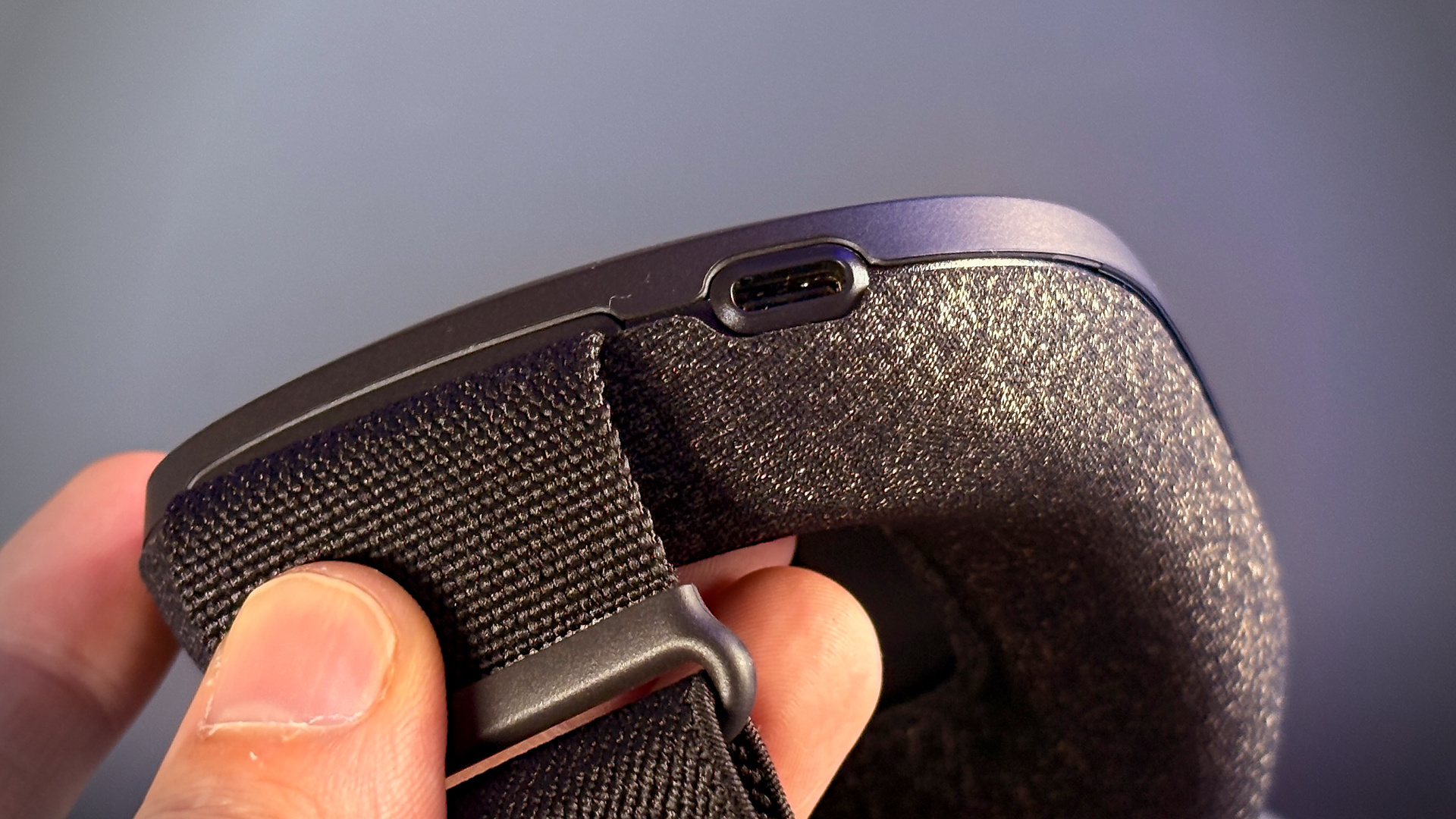
Previously, users, including myself, noted that the Steam Frame took an extended period to charge fully, with reports indicating it took over two hours to recharge from complete depletion. This was due to the low output power observed when testing the device, with measurements revealing a mere 11 watts being delivered. Upon discussing these issues with Valve, they clarified that the charging process was not linear; they confirmed that charging from zero to 65% should typically occur within 40 minutes with fast charging capabilities, a detail I had not experienced during my tests.
Intrigued by this discrepancy, I decided to run my Steam Frame’s battery down to as low as 4% before charging it up again. To my surprise, the power meter indicated it was receiving approximately 31 watts during this process, leading to a speedy charge to 65% within just 35 minutes. This significantly aligned with Valve’s stated times. However, toward the end of the charging cycle, the power output decreased as expected.
The recent SteamOS update, version 0.3.0, effectively addressed these concerns, boosting the charging output to 27 watts while the headset was off, which made the charging more efficient. This improvement allowed users to play until their battery was nearly depleted without the fear of incurring long charging times that stem from improper usage practices.
Beyond the charging enhancements, the update also introduced several important fixes and adjustments. Users experienced improved controller tracking, enhanced audio quality, and increased system stability under heavy loads. Additionally, adjustments were made to the motion smoothing feature for a better VR experience, further optimizing gameplay, particularly in titles like Half-Life: Alyx.
Valve continues to refine its software to support a broader range of games through compatibility layers, ensuring that those who invested in the Steam Frame benefit from an increasingly robust library.
Editorial Note: These updates are critical to improving user satisfaction and ensuring that the Steam Frame can compete effectively in the evolving VR landscape.