
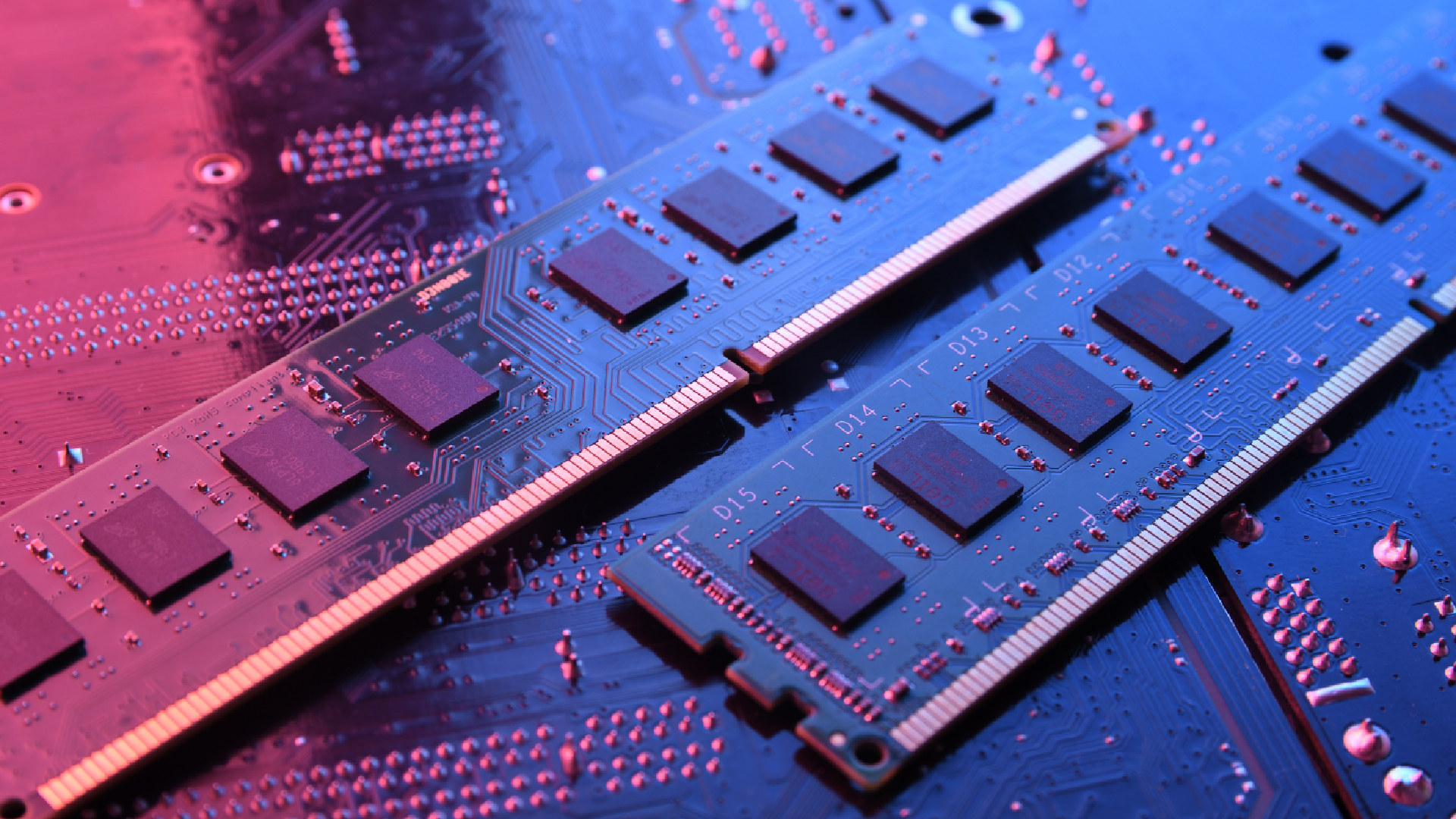
Title: Chronic Shortage of DRAM Predicted as Demand Continues to Surge
The world of computer memory faced a stark warning today as predictions surfaced regarding a looming supply deficit that could significantly impact the DRAM market. As Chinese memory manufacturers, like CXMT, prepared to ramp up their production, experts still forecasted a troubling imbalance between supply and demand, extending into 2030. This deficit is estimated to be as severe as 25%, indicating a demand for 120 exabytes (EB) against a meager supply of 91 EB.
Research led by Citrini revealed the stark realities of the DRAM landscape. The anticipated shortfall stood at a staggering 28.7 EB, represented in a total global demand of 157.5 EB, which included both DRAM and High Bandwidth Memory (HBM). However, the consensus found that general DRAM would emerge as the primary hindrance, casting a shadow over advancements in memory technology and output capabilities.
The research highlighted that even with the contributions from Chinese production, which was set to escalate, demand would remain exceptionally high. Despite efforts to meet the needs of an increasingly data-hungry market, the gap between what consumers and industries desired in terms of memory capacity versus what manufacturers could deliver promised to widen—an unsettling prospect for future technology implementations, particularly in areas like artificial intelligence (AI) and autonomous systems.
Further complicating the situation, analysts did not account for the physical AI demand, which could exacerbate the shortfall. Even the introduction of efficiency innovations, such as Google’s newly developed TurboQuant algorithm—which claimed to reduce AI memory overhead significantly—might not suffice to mitigate the expectations of rising demand. This left many in the industry pondering whether advancements would simply stimulate even greater needs rather than curtail them.
Given that this year’s global DRAM capacity was estimated at merely 40 EB, the forecasted shortfall by 2030 hovered ominously close to that capacity, demonstrating just how tight the market could become. Notably, consumer demand did not feature significantly within the projections, implying an emphasis on industrial needs rather than individual consumer products, such as RAM sticks for personal computing.
The prognosis for the DRAM market remains grim, pointing to persistent shortages and inflated prices—a trend familiar to tech enthusiasts and professionals alike. As the situation evolves, stakeholders in the tech industry are urged to adapt to these impending challenges.
Editorial material: This news is crucial as it signifies potential future hurdles for both consumers and businesses relying heavily on DRAM technology across various platforms.