Title: World of Warcraft: OCE Players Face Perpetual Night in New ‘Forever’ Release
In a significant development for players in the Oceanic region, the latest World of Warcraft expansion, dubbed “Forever,” recently launched, but it introduced a peculiar challenge. The unique setting of the game’s day/night cycle, linked to North American server architecture, resulted in players from Australia experiencing an endless nighttime. This phenomenon occurred because the game’s server clock was misaligned with their local time zones, meaning when it was evening in Australia, it was dark in the game.
Developers at Blizzard acknowledged the issue during a recent podcast, where they explored possible solutions. Lead software engineer Ana Resendez pointed out the complications of using an Australian time zone due to the potential immersion-breaking impact if players were to switch between night and day rapidly, particularly when connecting with friends in North America who play at different times. Feedback from players suggested they preferred a solution that avoided causing a disorienting shift in day/night states.
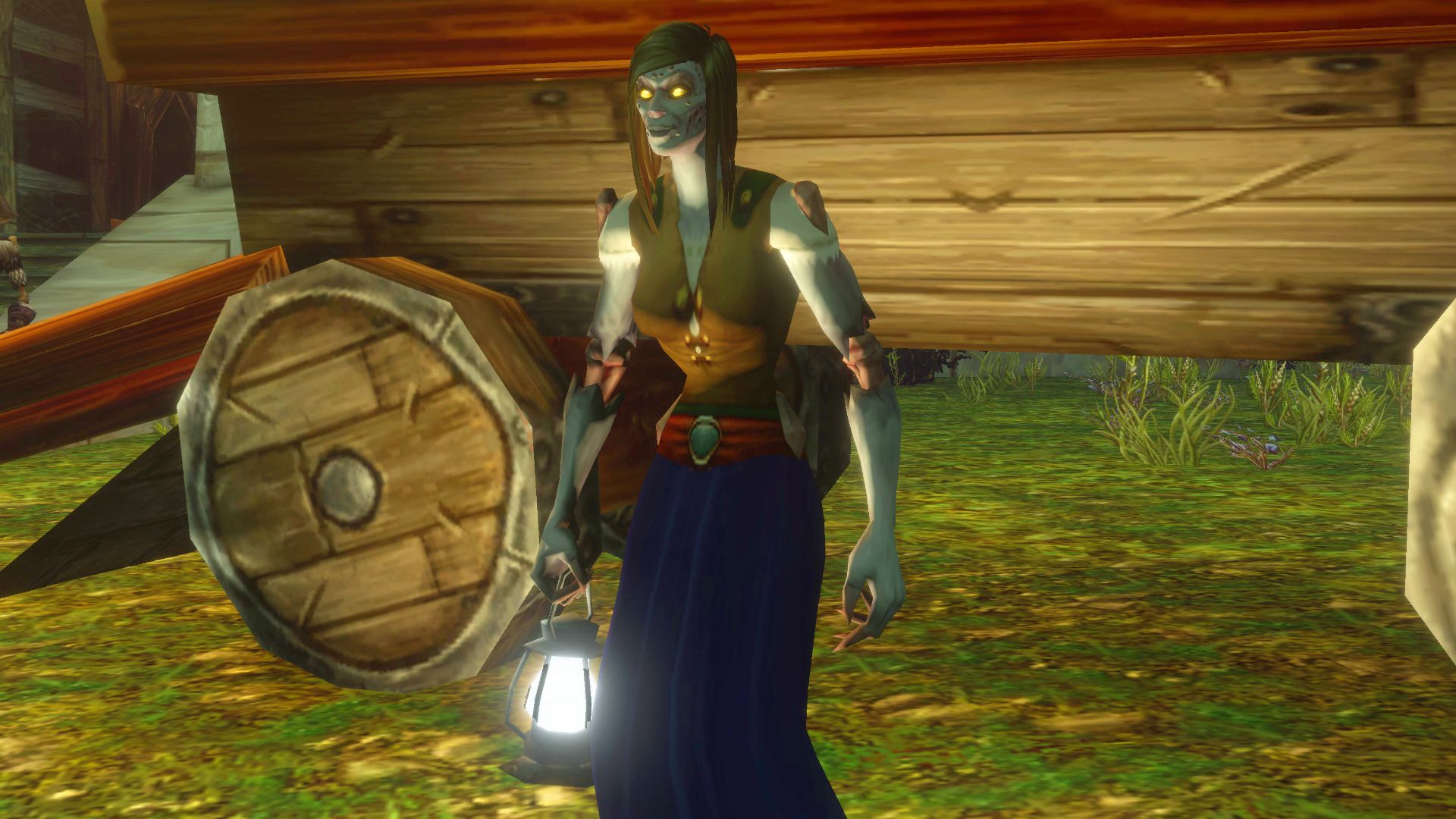
The game itself featured a rich visual experience with dynamic lighting, a contrast to the 24-hour cycle players in the OCE region currently struggled with. Many players expressed their frustration on forums, lamenting that even a casual play session after work left them in perpetual darkness, as logging in during the evening resulted in an instant night within the virtual world. One player shared their perspective on Reddit, highlighting that they were already accustomed to manipulating the time within the game using potions or toys to adjust the sky.
Another point made was the slower-paced gameplay of WoW Forever. Unlike prior versions, where players might frequently leave and enter groups, the current iteration encouraged prolonged group play, potentially mitigating the disruptive impact of the daytime shifts. Some community members even proposed an alternative to the 24-hour day cycle, suggesting the possibility of a 20-hour cycle to allow more natural shifts in time that could accommodate diverse play schedules.
Despite the concerns, many players remained hopeful for Blizzard’s ongoing engagement and responsiveness. Developers openly requested player input on the matter, showcasing their willingness to adapt the game’s mechanics to better suit their global audience. This interactive dialogue between the players and developers was regarded as a positive step towards refining the gaming experience across different regions.
Editorial material: This news underscores the importance of localized game mechanics in enhancing the user experience for players around the globe.