
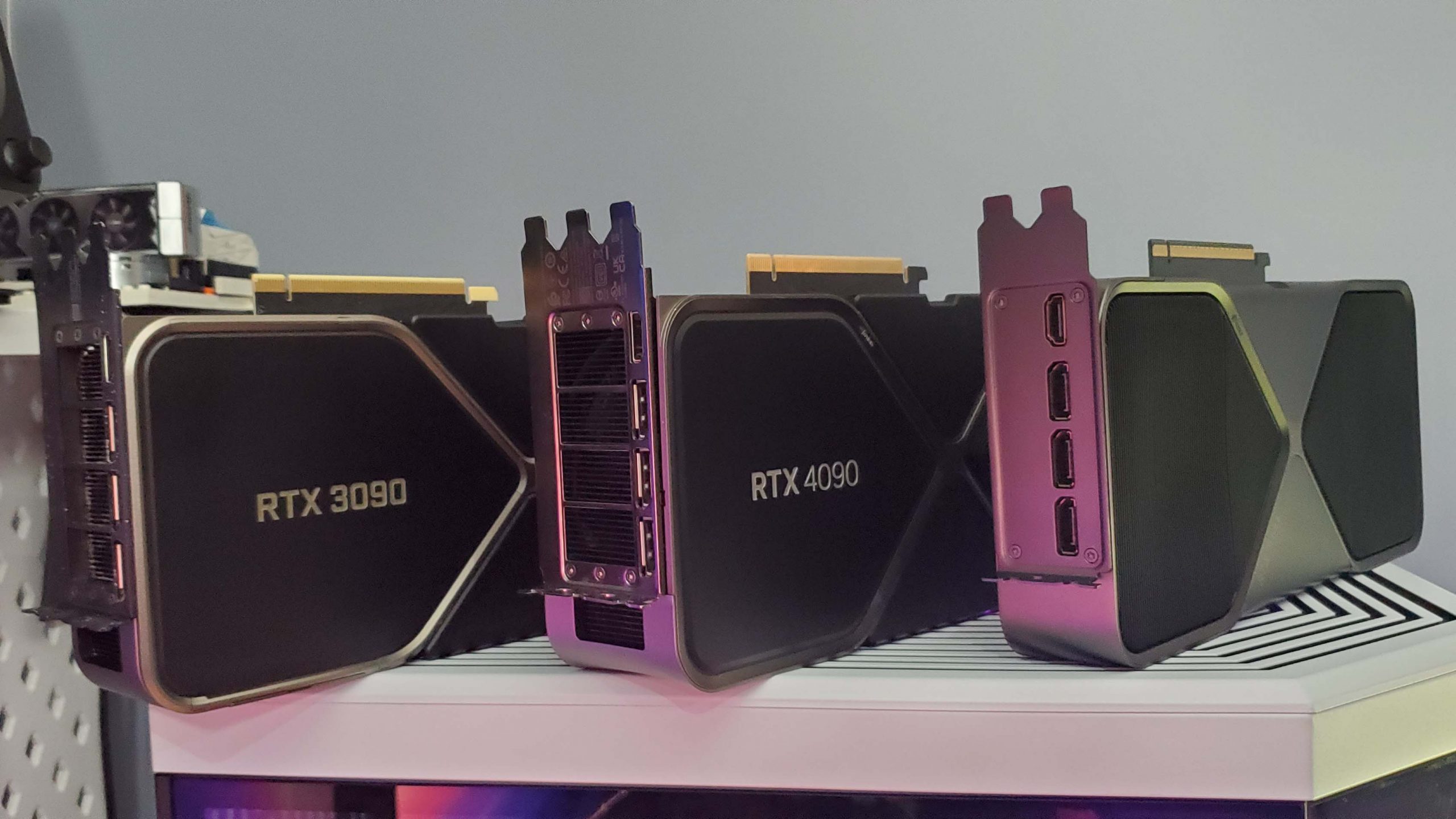
Nvidia’s Financial Upswing, Clouded by Memory Supply Challenges
In a recent earnings report, Nvidia illustrated a significant rise in revenue, bolstered primarily by its ventures in AI technology and data centers. The company achieved an impressive total of $96.2 billion during the quarter, marking a notable success with a gross margin of 75%. However, this growth came with caveats, as a projected revenue surge of 70% for the fiscal year 2028 was perceived as an underestimation due to ongoing memory shortages.
CEO Jensen Huang acknowledged that the anticipated growth figures were constrained by a persistent memory crisis, which had been exacerbating the challenges facing the company. He pointed out that without these constraints, the growth potential would have been considerably higher — suggesting that Nvidia had previously experienced a staggering year-over-year growth rate of 100%. The company continued to pursue an expansion of its supply chain capacity, indicating a proactive approach in addressing the shortages.
Despite the impressive figures, not all segments thrived equally. Consumer demand lagged in comparison to data center revenues, which contributed a remarkable $89 billion, representing a 117% increase compared to the previous year. In contrast, Nvidia grouped its gaming revenue within ‘Edge Computing,’ which also encompassed workstations and AI systems, totaling $7.1 billion — a more modest year-on-year increase of 27%. Within this context, Huang highlighted the disparity created by rising memory costs that had adversely affected consumer PC sales.
The ongoing memory supply issue extended to the industry at large, with even major players like Samsung warning of a looming severe memory supply crisis in the upcoming year. Huang voiced concerns shared by several investors regarding the impact of rising component costs on profit margins, confirming that Nvidia was facing unprecedented price spikes in memory components — a trend he noted would persist into the following year.
Looking at the gaming market, recent figures revealed an impressive performance for AMD’s RX 9070 XT and RX 9060 XT graphics cards, which led GPU sales on platforms like Amazon and Mindfactory. The precise causes behind this shift in dynamics remain unclear, further muddying the waters for Nvidia and its gaming segment.
In conclusion, Nvidia’s financial landscape has showcased a blend of achievement and adversity, as they navigated through a challenging memory market while striving for further growth.
Editorial material: This news highlights the complexities and challenges in the tech industry, where supply and demand dynamics can have significant impacts on revenue and growth forecasts.