
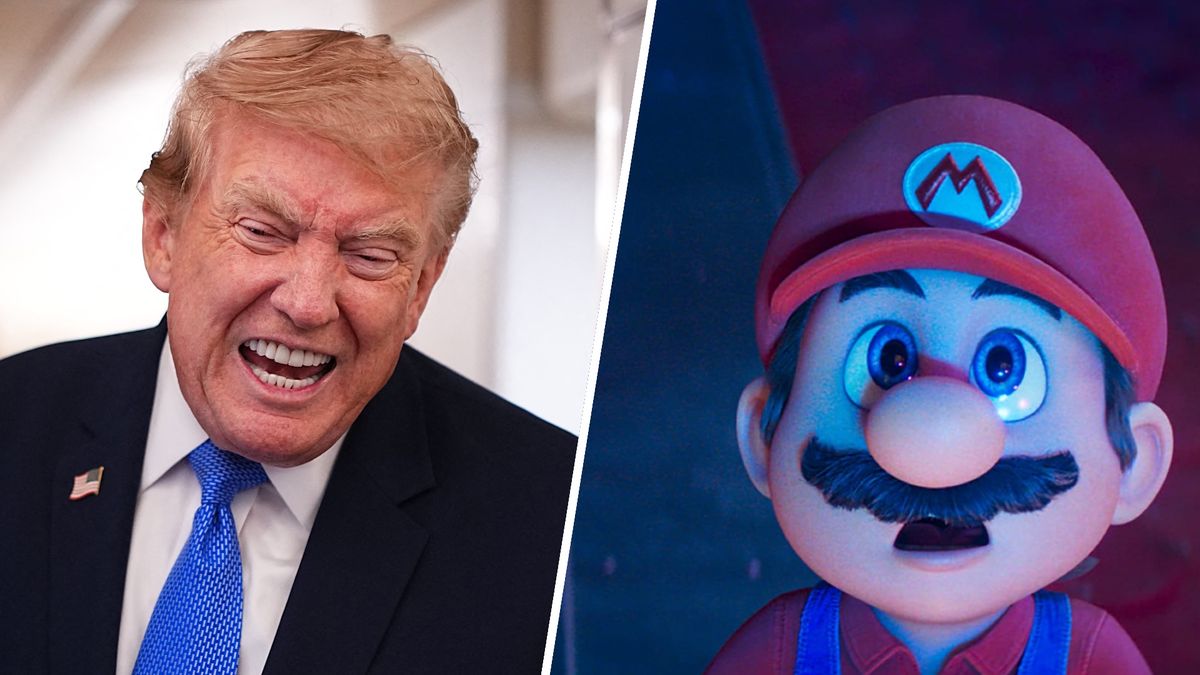
Japan Objects to US Government’s Memes Featuring Beloved Video Game Characters
Japan’s government expressed its dissatisfaction regarding the U.S. administration’s use of images from popular Japanese video games in political discourse, which often veered into contentious and racially charged territory. Reports indicated that Japan’s Ministry of Foreign Affairs had officially voiced concerns about the unauthorized use of these images, specifically citing the potential harmful impact on iconic franchises such as Mario and Pokémon.
The U.S. government began incorporating memes referencing video games into promotional material for its policies back in 2025. A particular incident in September showcased the Department of Homeland Security (DHS) sharing a video that juxtaposed immigration raids with clips from Pokémon. Customs and Border Patrol further exacerbated the situation by introducing a video that humorously depicted Pikachu as part of their operational team, which drew sharp criticism from fans and brands alike.
In response to the misuse of their intellectual property, the Pokémon Company announced that these promotional efforts did not have their authorization. Despite this, DHS reaffirmed its intention to continue using such content, showing little regard for the company’s stance. The Pokémon Company, while somewhat restrained, did express its desire to remain politically neutral, emphasizing a mission to unify rather than divide.
In April, Japan’s Foreign Affairs Minister, Toshimitsu Motegi, attracted attention by criticizing a White House tweet that featured gameplay footage from Wii Sports to promote military action in Iran. Although his objection was primarily grounded in copyright infringement, it highlighted the ongoing issues surrounding the inappropriate utilization of gaming content for political statements.
The Ministry’s recent formal requests for the U.S. to cease these practices brought forth a clearer denunciation. This request not only reiterated concerns over copyright violations but also underlined the brand damage caused by the association of beloved characters with politically charged and often inflammatory content.
It remained uncertain whether the Trump administration or associated government bodies would heed Japan’s calls. The situation prompted outreach from various media seeking comment from the White House and DHS to ascertain their stance on the matter going forward.
Editorial material: This news highlights significant cultural and diplomatic tensions, showcasing how video game imagery intersects with political strategies and the resulting implications for international relations and intellectual property rights.