
Warren Spector Calls for Recognition of Oswald’s Game Legacy Ahead of New Miniseries
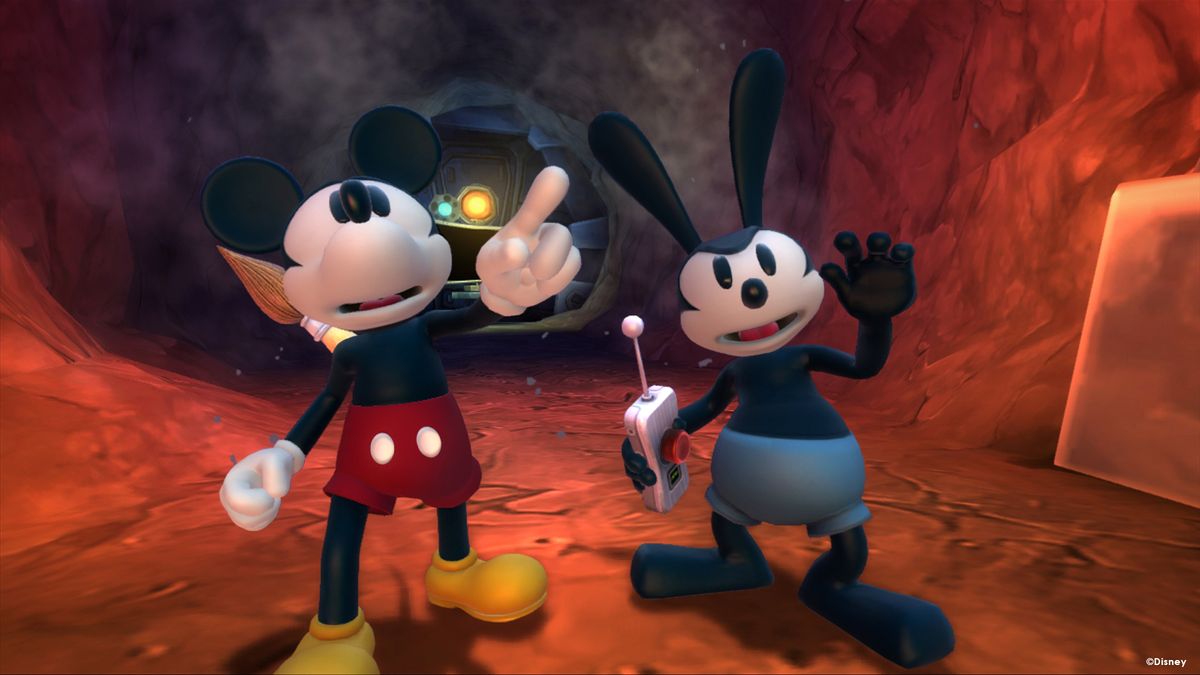
Warren Spector, renowned for his contributions to the gaming world, including titles like Epic Mickey and Deus Ex, recently expressed his concerns regarding the upcoming Oswald the Lucky Rabbit miniseries during a LinkedIn post. His remarks followed a presentation by Jon Favreau at a recent D23 event, which highlighted Oswald’s creation by Walt Disney in the 1920s. However, while Favreau provided a historical overview, Spector felt the discussion overlooked a crucial aspect: the character’s revival in video games.
Spector emphasized his excitement for the new miniseries but simultaneously expressed disappointment about the apparent portrayal of Oswald’s debut. He pointed out that many viewers might mistakenly believe this miniseries marks the first significant reintroduction of Oswald, despite the character having been given a new identity and platform in gaming by his team at Junction Point. In his post, Spector stated that this perspective felt “not right,” as he highlighted Oswald’s substantial role in Epic Mickey, which debuted in 2010 as a significant return to the beloved character, who had largely faded from cultural recognition since his introduction almost a century earlier.
Disney reacquired the rights to Oswald in 2006, leading to appearances in various media, including short films. Yet Spector pointed out that it was the Epic Mickey series that truly revitalized Oswald, allowing him to step out of Mickey Mouse’s spectral shadow and gain his own personality and story. During the development of Epic Mickey 2: The Power of Two, Oswald even received a voice, a significant milestone in his narrative history, thanks to voice actor Frank Welker’s talent. Furthermore, Spector noted that the character Ortensia, Oswald’s partner, was also transformed into a fully-fledged character within this series, filling gaps left by prior portrayals.
Spector’s frustration also stemmed from what he perceived as a lack of recognition for Junction Point’s contributions, especially given the uphill battle the studio faced with both games receiving mixed reviews and mediocre sales. This obscurity posed a challenge in ensuring players and audiences credited the games’ role in returning Oswald to the public eye.
As anticipation builds for the Oswald miniseries, which is set to air in 2027, Spector hopes that Disney will acknowledge the impact that gaming had on the character’s modern identity. This recognition of gaming’s vital role in character reboots remains essential as the industry continues to shape beloved franchises for new generations.
Editorial material: This news is significant as it highlights the often-overlooked contributions of video games to character legacies in popular culture.