
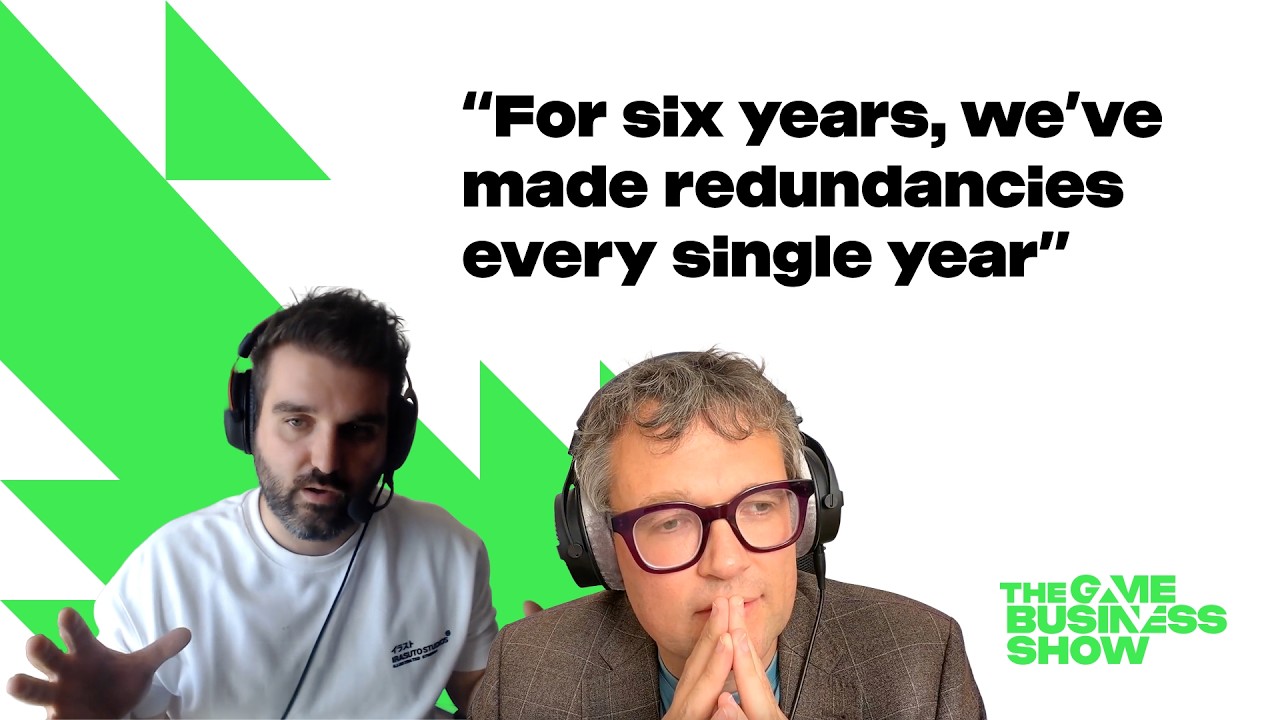
Title: Bulkhead Games CEO Sparks Controversy Over Crunch Culture at Studio
In recent discussions about the gaming industry’s often contentious work culture, Bulkhead Games’ CEO Joe Brammer found himself at the center of a heated conversation regarding the subject of crunch. Brammer faced criticism from peers after openly discussing the practice of crunch during an interview about the independent studio’s recent success with their title, Wardogs. The game reportedly achieved impressive sales, surpassing 2 million units shortly after its release.
During his appearance, Brammer candidly acknowledged that crunch—a period of intense work leading up to deadlines—was part of the studio’s culture. He stressed that potential hires who oppose such a work environment may not align with the studio’s ethos. “We want to be known for hard work,” he stated, suggesting that those who do not share this commitment may find themselves unwelcome.
This approach drew backlash from other industry professionals, who highlighted the well-documented drawbacks of a crunch culture. Critics argued that the expectations of nonstop work compromise developers’ well-being and can diminish overall productivity. Despite the controversy, Brammer asserted that the studio compensates its employees with bonuses for their efforts, shaping a narrative that suggests their hard work is properly rewarded.
In an unexpected take, Brammer noted that team commitment sometimes overshadowed personal lives, with one example being the studio’s priority on Wardogs. He mentioned the need to achieve a balance between the demands of the project and the well-being of the team, indicating that recent pressures to expedite console releases would not lead to further exhaustion.
Many in the game development community reacted critically to Brammer’s views on crunch. Voices in the industry expressed concerns that advocating for such practices reflects poor management and a lack of effective planning, rather than a dedication to quality. Some suggested that fostering a crunch environment might negatively impact long-term outcomes, contradicting the alleged benefits touted by supporters of such a strategy.
As the debate around crunch continues, particularly in light of Wardogs’ success, the response to Bulkhead’s practices may resonate throughout the industry, prompting a reevaluation of work-life balance in gaming development.
Editorial material: This discussion is pivotal as it highlights the ongoing struggle between work culture and employee welfare in the gaming industry.