
New Insights on DLSS 5: Artistic Integrity vs. AI Enhancement in Gaming
Nvidia’s DLSS 5 technology sparked considerable debate within the gaming community due to its transformative impact on visuals. Many gamers expressed concerns about how AI might alter the artistic intent of game developers. This unease focused on whether such advanced technology could retain the original vision of the creators amidst its capabilities to greatly enhance graphics.
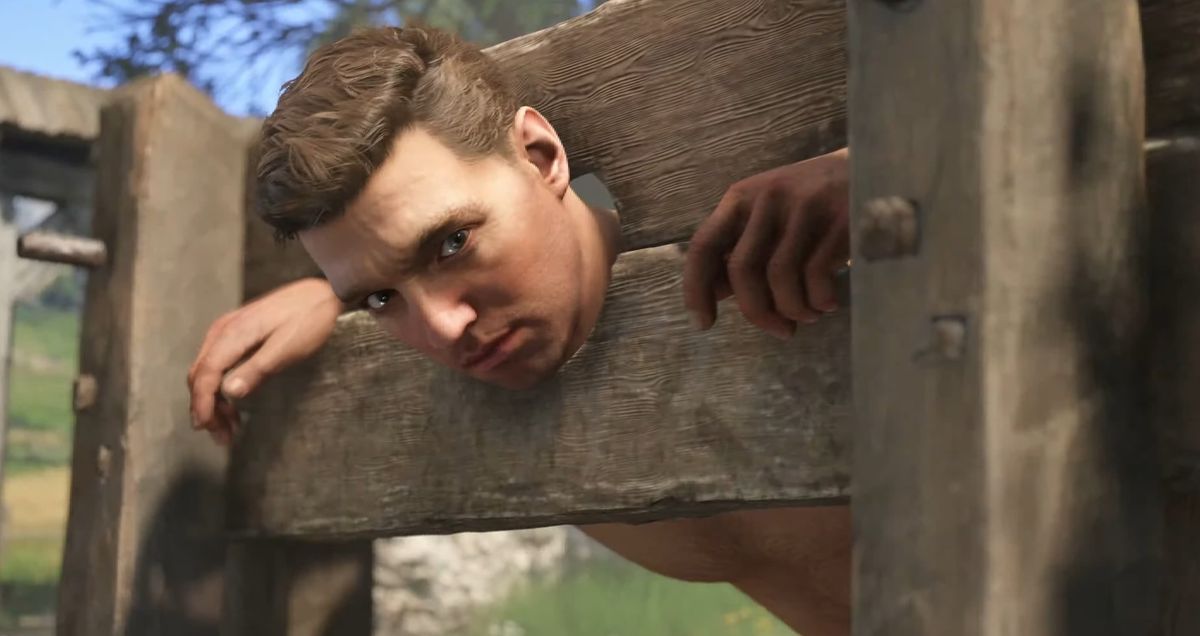
In a recent statement shared on X, Daniel Vávra, the director behind the Kingdom Come: Deliverance series, defended DLSS 5 against its detractors. He argued that many of the criticisms surrounding the technology were exaggerated. Referencing a comparison between two images from Kingdom Come: Deliverance 2, he pointed out that the AI enhancement significantly improved rendering issues associated with lighting and texture, facets that had limited the game’s visual quality. He claimed that the previous graphical challenges were far from the team’s initial artistic goals, illustrating his point with before-and-after images to demonstrate the positive differences made by DLSS 5.
Critics, however, didn’t hold back in their response, believing that while the new technology might present a more polished product, it also posed a risk of overly smoothing out the visual details that contribute to a game’s unique charm. Some voices on social media suggested that while improvements in rendering enhance realism, they could inadvertently lead to a more artificial appearance, stripping away the essence and rough edges that give art its character.
The situation surrounding Warhorse Studios and its experimentation with AI continued to be contentious. Earlier in the year, a notable incident arose when Max Hejtmánek, an English language editor for Kingdom Come: Deliverance 2, publicly shared his experience of being replaced by AI, spotlighting the rising tensions over using artificial intelligence in creative roles.
Despite the mixed reactions to DLSS 5, Vávra’s strong support highlighted a divide in the community, with some praising technological improvements while others stressed the importance of preserving artistic integrity. As these discussions unfold, they are likely to shape the future direction of graphics technology in gaming, influencing how developers balance innovation with maintaining the core essence of their creations.
Editorial note: The ongoing dialogue regarding DLSS 5 is crucial as it addresses the intersection of technology and artistry in gaming, an area that will have implications for future game development.