
Unveiling Thousand Hells: A Unique Narrative Adventure by A Sharp
In an exciting development for fans of innovative storytelling in gaming, David Dunham and his studio A Sharp prepared to release Thousand Hells: The Underworld Heists. This new title aimed to blend the intricacies of narrative gaming with a gameplay style that eschewed traditional classification, enticing players with its surreal themes and replayability. Initially, Dunham’s previous venture, King of Dragon Pass, faced commercial struggles upon its 1999 launch but ultimately garnered a dedicated fanbase that appreciated its unique narrative depth.
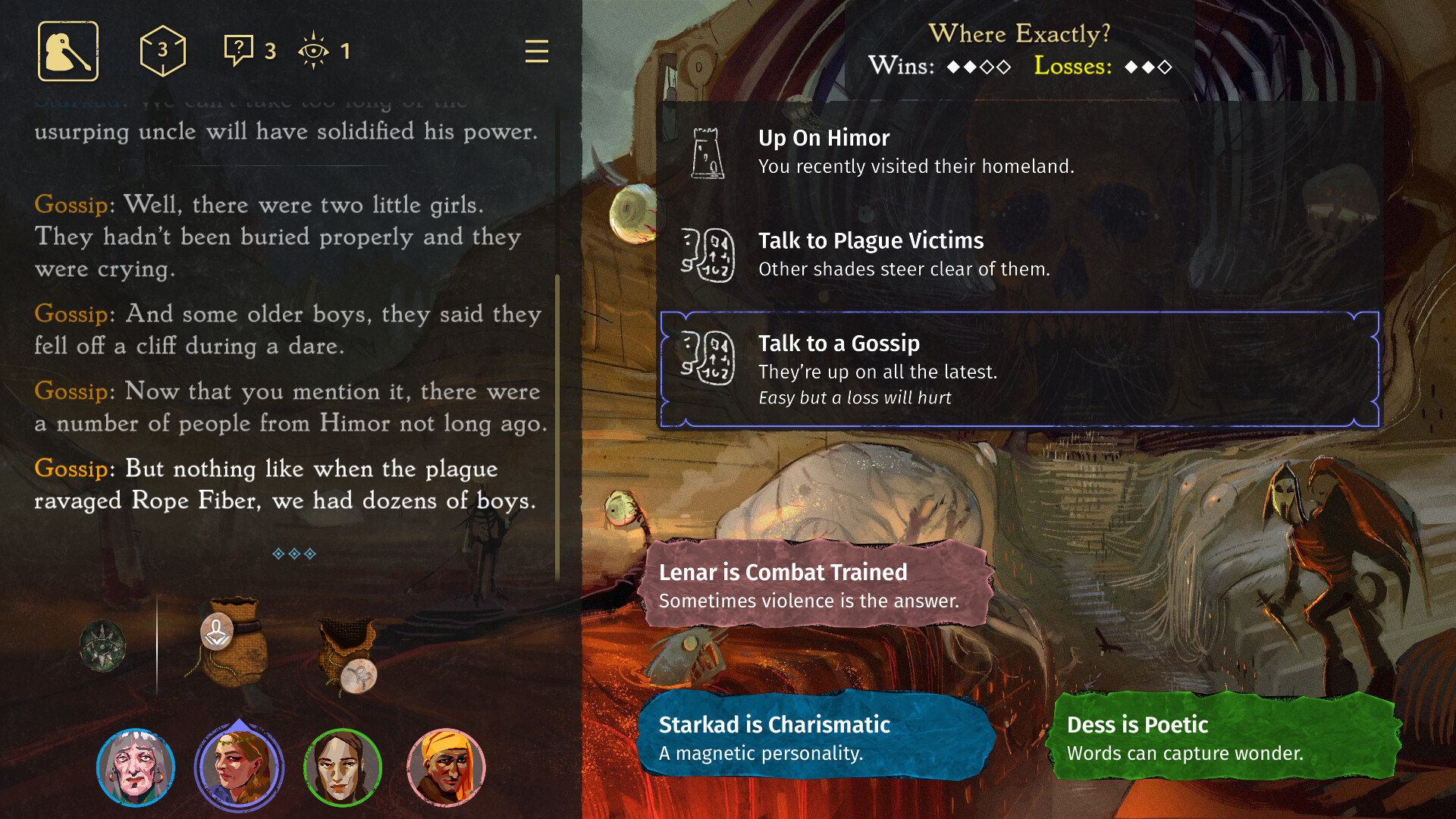
Dunham described Thousand Hells as a “tactical narrative game,” positioning it as a unique entry in the world of gaming that borrows elements from various genres. Unlike many games that rely strictly on one style, this title incorporated a systemic approach to storytelling that breathes new life into the concept of interactive narratives. According to Dunham, the game shares some similarities with I Was a Teenage Exocolonist, especially in its use of character traits to maneuver through encounters, but Thousand Hells took a far more ambitious route.
Players found themselves navigating through a whimsical underworld, engaging with the traits of the characters they had recruited, each of whom brought their unique set of skills and personality quirks. This dynamic system meant that players had to make strategic choices based on the personalities and abilities of their team members, creating a series of intertwined narratives that evolved with each playthrough. Dunham noted that the game’s structure encouraged a kaleidoscopic storyline, where the combination of traits and the randomness of encounters led to endlessly varied experiences.
Themes of ancient Mesopotamian beliefs influenced the setting, where players journeyed through dark realms designed to reflect the concept of afterlife. The diverse scenarios, from rescuing a queen’s murdered sons to guiding a scholar through nightmares influenced by Hieronymus Bosch, added complexity to the gameplay.
Dunham’s focus remained steadfast on creating engaging gameplay experiences while ensuring that players felt a sense of agency over their narrative journey. The player-controlled party dynamics often led to unexpected conflicts when members refused to work together based on their personal histories, further deepening the storytelling experience.
Set to launch in the fall, Thousand Hells: The Underworld Heists promised a fresh take on narrative gaming, inviting players to discover new depths while shaping the stories they experienced. This creative endeavor held significant importance as it pushed the boundaries of storytelling within video games, encouraging innovation in how narratives could be experienced and enjoyed.
Редакційний матеріал: This news is essential as it highlights the evolution of narrative design in games, emphasizing the importance of unique storytelling methods in modern gaming experiences.