Title: Digital Sun Games Abandon Public Playtest for Upcoming Title Due to AI Concerns
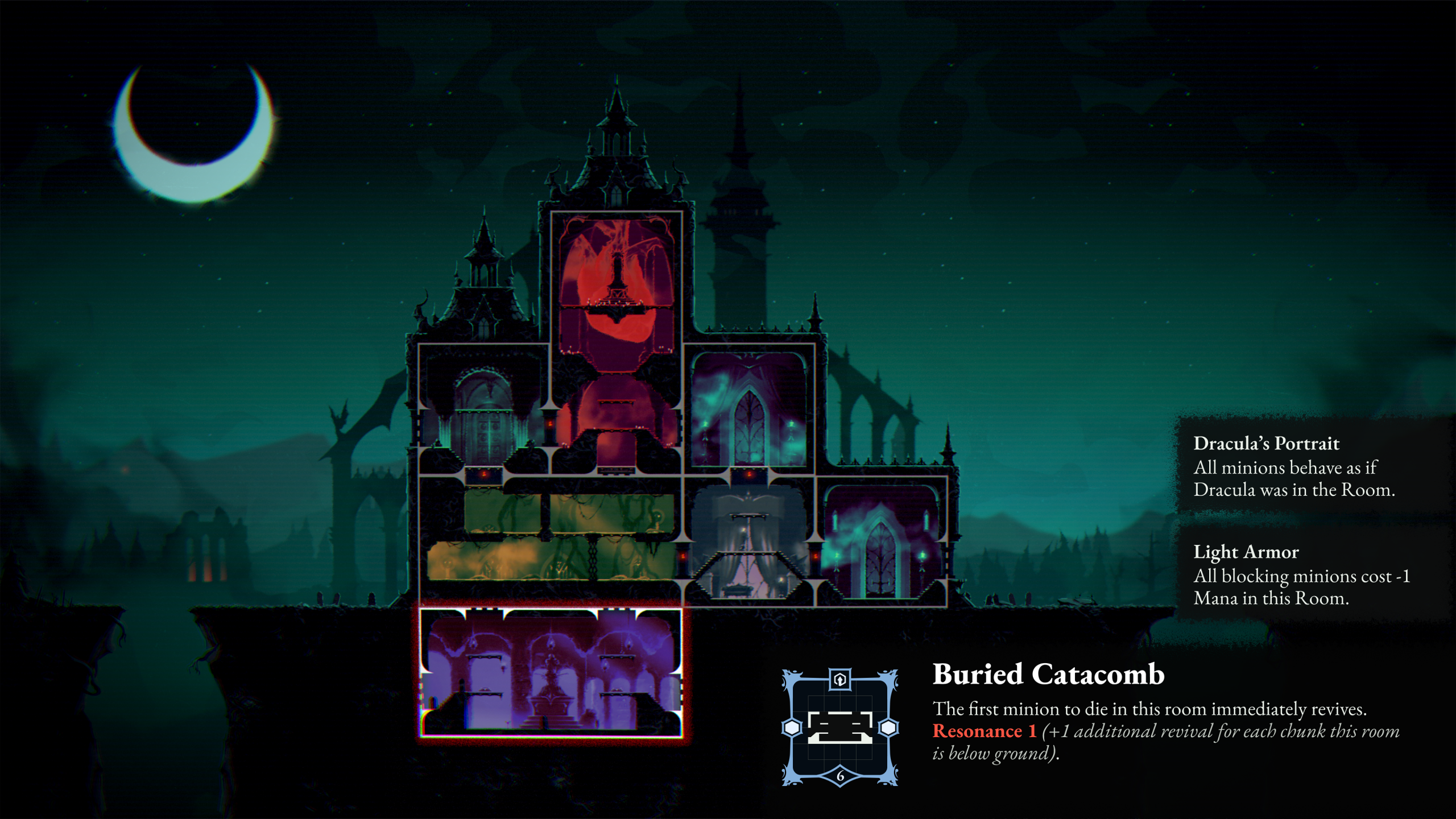
Digital Sun Games took a significant step back in its promotional strategy by deciding against a public playtest for its upcoming project titled “ReVamp.” This cancellation arose due to rising concerns over a new iteration of AI technology, specifically Anthropic’s Claude Opus 5.5, which had recently increased the occurrence of hastily created clones and unauthorized code decompilations on gaming platforms such as Steam and Roblox.
The studio’s marketing director, Israel Mallén, addressed these issues early in the week, highlighting the necessity for tighter controls over how their game is shared. The initial plan had involved a broad playtest on Steam, which had gathered thousands of sign-ups. However, due to these emerging threats, Digital Sun opted to restrict the playtest to a smaller group accessible via Discord. This alteration aimed to gain better control over participant interactions and ensure that sensitive game code remained protected, with potential testers required to sign non-disclosure agreements (NDAs).
This apprehension about unauthorized replication was unprecedented for Digital Sun, a studio known for titles like “Moonlighter” and “Cataclismo.” The team stressed that the ability to present their games to the public should not come with fears of immediate cloning. The potential for rapid replication raised the stakes considerably, as they worried that even a simple demo could result in a market competitor emerging before their official release slated for March 2027.
While concerns of copycat games are not new in the industry, the speed at which these AI-driven clones could appear has intensified. This urgency led to a realization that efforts must be made to enhance protections for original content across platforms. Not only did this decision reflect the studio’s need to guard its work, but it also shed light on wider industry challenges regarding IP protection.
Digital Sun acknowledged that limiting demo access would significantly reduce their outreach, impacting their marketing strategy and the potential for community engagement. As feedback is vital in game development, this decision could result in important player insights being lost during the development cycle.
As the industry grapples with these complex challenges, it has become increasingly clear that developers need greater safeguards to preserve the integrity of their creations, ensuring that originality can thrive without the constant fear of imitation.
Editorial material: This news underscores the urgent need for better protective measures in the gaming industry, particularly as AI technologies evolve and pose new threats to original work.